
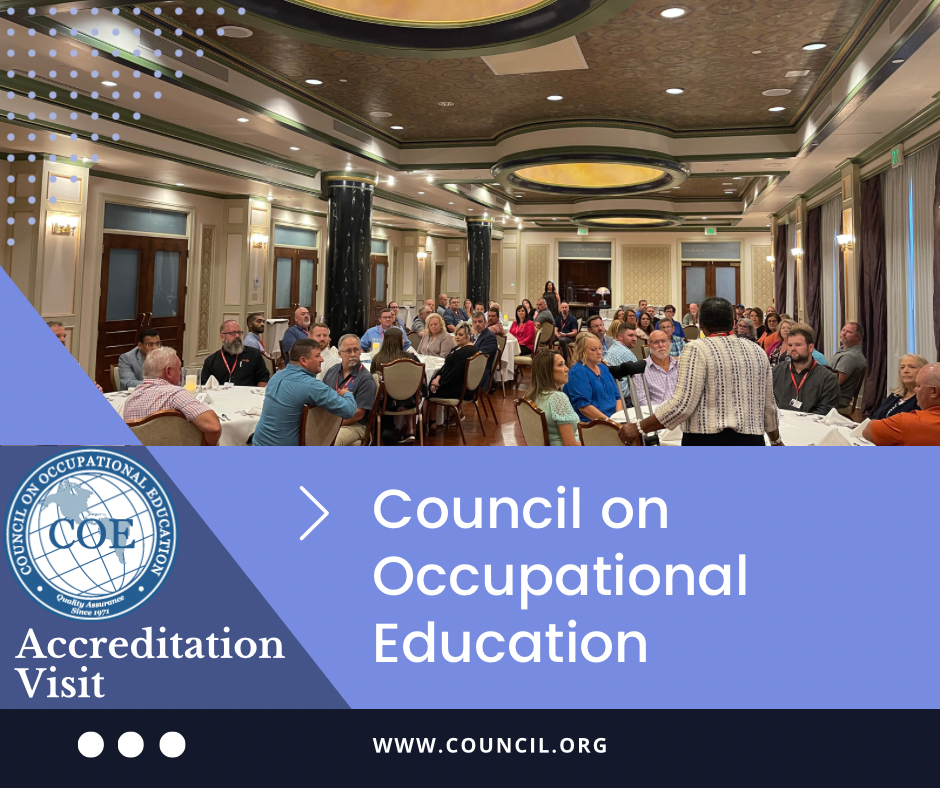
In the realm of vocational education and career training, accreditation plays a pivotal role in ensuring quality and credibility. The Council on Occupational Education (COE) stands out as a key accreditor in this field, recognized for its rigorous standards and commitment to enhancing educational outcomes. For institutions offering occupational programs, COE accreditation holds significant weight, influencing students, employers, and the education community alike. Let’s delve into the top five reasons why Council on Occupational Education accreditation matters.
1. Rigorous Standards and Quality Assurance
The Council on Occupational Education sets high standards for educational quality and institutional integrity. Institutions seeking COE accreditation undergo a comprehensive evaluation process that considers faculty qualifications, curriculum relevance, student support services, facilities, and more. This rigorous review ensures that accredited institutions meet or exceed industry-recognized benchmarks for effective career training and vocational education.
COE accreditation signifies a commitment to continuous improvement and adherence to best practices in occupational education. Institutions accredited by COE demonstrate accountability and a dedication to providing students with the knowledge and skills needed to succeed in their chosen fields. For students and employers, this assurance of quality helps in making informed decisions about educational programs and workforce readiness.
2. Enhanced Student Opportunities
Students attending COE-accredited institutions benefit from enhanced opportunities and credibility in the job market. Employers often prefer graduates from accredited programs due to the assurance of quality training and education. COE accreditation can open doors to internships, externships, and employment opportunities with reputable organizations that recognize and value accredited credentials.
Moreover, many federal financial aid programs and state funding initiatives require students to attend accredited institutions to qualify for assistance. COE accreditation, therefore, not only validates the educational experience but also facilitates access to crucial financial resources that support student success and completion of occupational programs.
3. Industry Recognition and Alignment
Council on Occupational Education accreditation underscores an institution’s alignment with industry standards and employer expectations. Accredited programs are designed in consultation with industry experts to ensure relevance and responsiveness to evolving workforce needs. This alignment enhances graduates’ employability and their ability to seamlessly transition into the workforce upon completion of their studies.
Employers view COE accreditation as a mark of credibility, signaling that graduates possess the skills and competencies necessary to contribute effectively in their respective professions. This industry recognition strengthens partnerships between educational institutions and employers, fostering a collaborative approach to workforce development and talent acquisition.
4. Continuous Improvement and Accountability
COE-accredited institutions are committed to ongoing assessment and improvement. Accreditation is not a one-time achievement but rather a continuous process of self-assessment, peer evaluation, and strategic planning. Institutions must demonstrate compliance with COE standards throughout their accreditation term and undergo periodic reviews to maintain accredited status.
This commitment to continuous improvement fosters a culture of accountability and innovation within educational institutions. Students benefit from programs that evolve in response to industry trends and feedback, ensuring that their education remains relevant and adaptive in a dynamic job market. COE accreditation promotes institutional effectiveness and transparency, promoting trust among stakeholders and the broader community.
5. Access to Transfer Opportunities and Articulation Agreements
For students pursuing further education, COE accreditation can facilitate seamless transfer of credits and recognition of prior learning. Many accredited institutions have established transfer agreements with colleges and universities, allowing students to continue their education without loss of credit or duplication of coursework. These articulation agreements streamline the transfer process and provide students with a clear pathway to advanced degrees or specialized training.
Additionally, professional licensure and certification requirements often favor graduates from COE-accredited programs. Accreditation can expedite the licensure process and enhance graduates’ eligibility for professional credentials, further enhancing their career prospects and mobility within their chosen fields.
In conclusion, Council on Occupational Education accreditation serves as a hallmark of excellence in vocational education and career training. From ensuring rigorous standards and quality assurance to enhancing student opportunities and industry recognition, COE accreditation benefits institutions, students, employers, and the broader community. Institutions that prioritize COE accreditation demonstrate a commitment to educational excellence and continuous improvement, ultimately contributing to a skilled and competitive workforce prepared to meet the demands of today’s economy. If you are considering pursuing vocational education or partnering with an accredited institution, COE accreditation is a definitive factor to consider for success in your educational and career endeavors.