
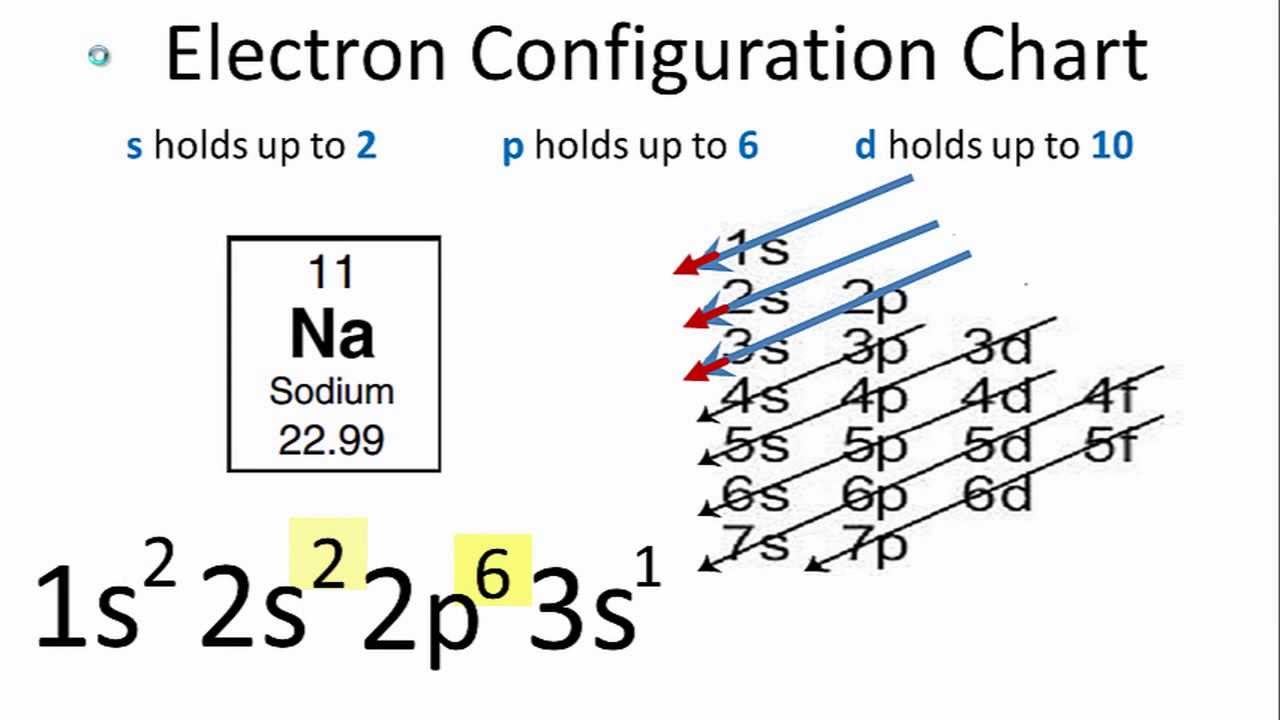
In the vast realm of chemistry and physics, understanding the electron configuration of atoms is fundamental. However, navigating through the intricate configurations of electrons within atoms can be quite challenging. Thankfully, with the advent of technology, electron configuration calculators have become invaluable tools for scientists, students, and enthusiasts alike. These calculators streamline the process of determining electron configurations, making it easier to comprehend the behavior and properties of elements. Let’s delve into the top 10 electron configuration calculators that are revolutionizing the study of atomic structures.
- WebElements Electron Configuration Tool: WebElements offers a user-friendly electron configuration calculator that provides precise configurations for any element on the periodic table. Its intuitive interface allows users to explore electron distributions effortlessly, aiding in both learning and research endeavors.
- ChemicalAid Electron Configuration Calculator: ChemicalAid’s calculator is a comprehensive tool for determining electron configurations with accuracy and efficiency. It offers additional features such as visual representations of electron orbitals, enhancing the understanding of atomic structures.
- Periodic Table App: The Periodic Table app incorporates an electron configuration calculator alongside other essential features. This convenient mobile tool ensures that electron configurations are readily accessible anytime, anywhere, making it ideal for students and professionals on the go.
- ChemCalc Electron Configuration Module: ChemCalc’s electron configuration module is part of a suite of chemistry calculators designed to simplify complex calculations. With its robust algorithm, users can obtain electron configurations swiftly, aiding in theoretical and experimental studies.
- Chemical Education Digital Library (ChemEd DL): ChemEd DL hosts an array of educational resources, including an interactive electron configuration calculator. Geared towards students and educators, this tool facilitates hands-on learning by allowing users to manipulate electron configurations and observe resulting changes in atomic properties.
- Chemistry-Reference Electron Configuration Calculator: Chemistry-Reference’s calculator offers a straightforward solution for determining electron configurations based on element inputs. Its minimalist design prioritizes functionality, ensuring that users can focus on understanding electron distributions without unnecessary distractions.
- Chemix Electron Configuration Simulator: Chemix’s electron configuration simulator goes beyond simple calculations, providing a simulated laboratory environment for exploring atomic structures. Users can interact with virtual atoms and electrons, gaining insights into the behavior of different elements.
- NIST Atomic Spectra Database: The National Institute of Standards and Technology (NIST) hosts an extensive database of atomic spectra, including electron configurations. While not a standalone calculator, this resource offers detailed information essential for advanced research and analysis in spectroscopy.
- ChemSpider Electron Configuration Tool: ChemSpider, a chemical structure database, features an electron configuration tool as part of its suite of utilities. Researchers can access electron configurations alongside other chemical data, streamlining the process of gathering essential information for their studies.
- Atomsmith Classroom Electron Configuration Simulator: Atomsmith Classroom provides an immersive learning experience with its electron configuration simulator. Tailored for educational settings, this simulator allows students to construct atoms, visualize electron distributions, and deepen their understanding of atomic theory.
In conclusion, electron configuration calculators play a pivotal role in unraveling the mysteries of atomic structures. Whether you’re a student striving to grasp the intricacies of chemistry or a seasoned researcher exploring new frontiers, these calculators offer invaluable assistance. By simplifying complex calculations and providing interactive learning opportunities, they empower users to delve deeper into the fascinating world of atoms and their electron arrangements. With the top 10 electron configuration calculators at your disposal, unraveling the secrets of the microscopic realm has never been more accessible.