
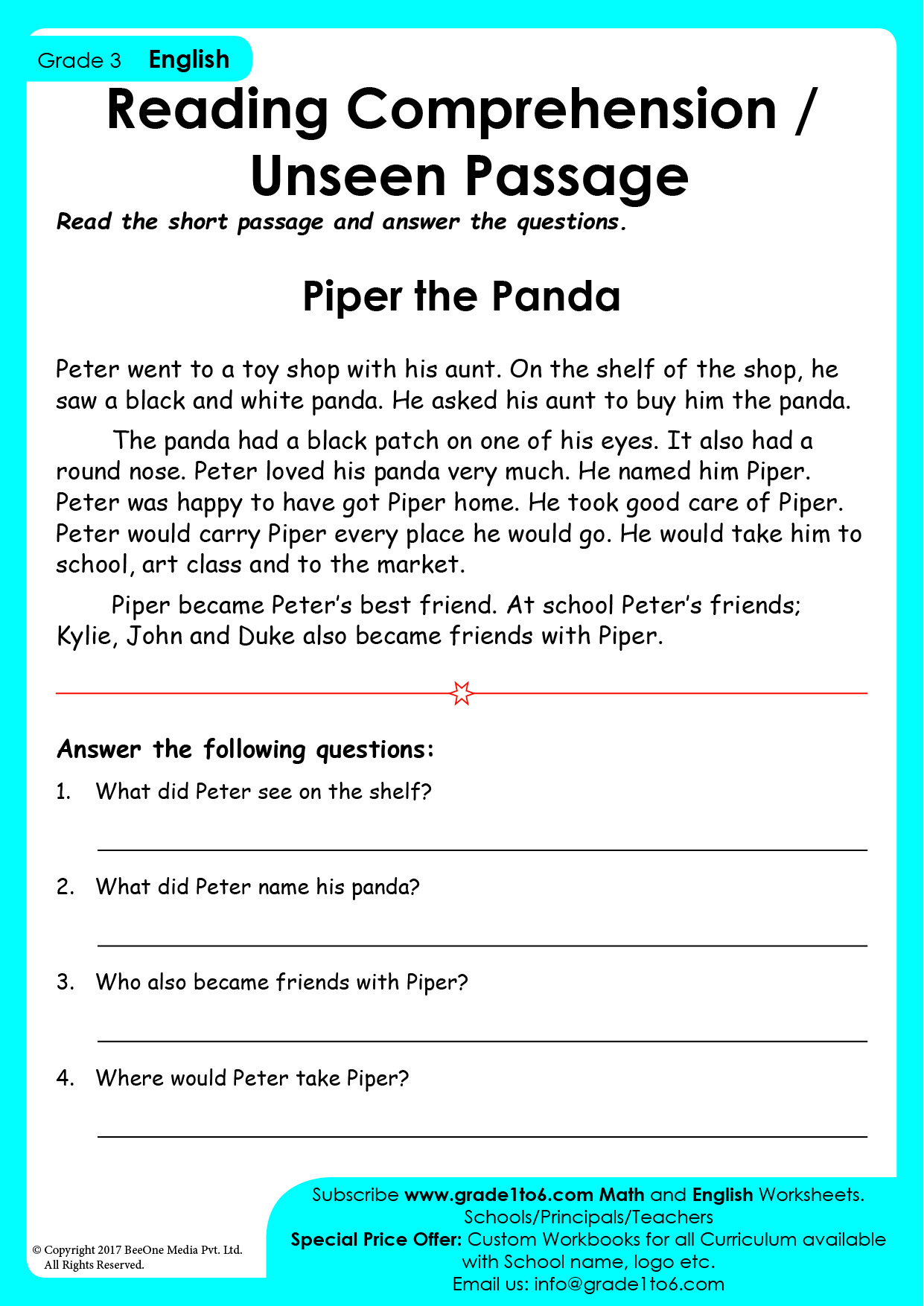
Prose comprehension for class 3 students is an essential skill that lays the foundation for their future academic success. As young learners navigate through various texts, it’s crucial to equip them with effective strategies to comprehend and interpret prose accurately. In this article, we’ll explore five proven strategies to enhance prose comprehension for class 3 students, fostering a lifelong love for reading and learning.
- Activate Prior Knowledge: Before diving into a new text, encourage students to activate their prior knowledge related to the topic. This could involve brainstorming what they already know, making connections to their own experiences, or previewing illustrations and headings. For example, if the text is about animals, prompt students to recall any animals they have seen or learned about before. Activating prior knowledge helps students build a framework for understanding new information, making the text more meaningful and engaging.
- Visualize the Text: Visualizing the text involves creating mental images based on the words read. Encourage students to use their imagination to picture the characters, settings, and events described in the prose. For class 3 students, you can incorporate activities such as drawing pictures or acting out scenes to reinforce visualization skills. By visualizing the text, students can deepen their understanding and retention of the material, making it easier to recall details and make connections later on.
- Ask Questions: Encourage class 3 students to ask questions before, during, and after reading the prose. Before reading, have them generate questions based on the title or cover of the text. While reading, prompt them to ask questions about confusing parts or unknown words. After reading, facilitate discussions where students can ask and answer questions to clarify comprehension. Teaching students to ask questions promotes active engagement with the text and fosters critical thinking skills.
- Summarize the Text: Summarizing is a valuable skill that helps students identify the main idea and key details of a text. After reading a prose passage, challenge class 3 students to summarize the text in their own words. Encourage them to focus on the most important information and to include only essential details. You can provide scaffolding by modeling how to create a summary using key phrases or bullet points. Summarizing helps students consolidate their understanding of the text and reinforces comprehension skills.
- Make Connections: Help class 3 students make connections between the prose they read and their own lives, other texts, and the world around them. Encourage them to relate the events or themes in the prose to personal experiences, other books they have read, or current events. Making connections enhances comprehension by giving students a context for understanding and relating to the text. You can facilitate this process by asking guiding questions and providing examples of connections.
In conclusion, developing strong prose comprehension skills is vital for class 3 students as they navigate the world of reading and learning. By implementing these five strategies – activating prior knowledge, visualizing the text, asking questions, summarizing the text, and making connections – educators can support students in becoming proficient readers and critical thinkers. By fostering a love for reading and empowering students with effective comprehension strategies, we can set them on a path to academic success and lifelong learning.