
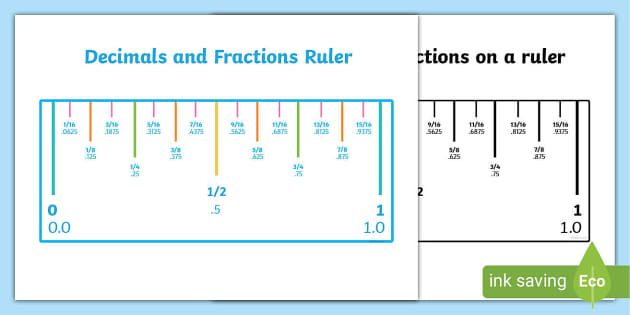
In the realm of measurement, precision is paramount. Whether in construction, engineering, or even simple DIY projects at home, accuracy can make the difference between success and failure. This is where the humble ruler steps in, and in particular, a ruler with fractions becomes an indispensable tool. In this article, we delve into the intricacies of using a ruler with fractions, exploring its significance, applications, and techniques for mastering precise measurements.
A ruler with fractions is not merely a strip of marked lines; it is a gateway to a world of exactitude. Unlike its simpler counterpart, which typically features whole numbers, a ruler with fractions boasts additional markings denoting fractional units. These fractions can range from halves and quarters to eighths and even sixteenths of an inch or centimeter, depending on the ruler’s scale.
The inclusion of fractions expands the ruler’s utility exponentially, enabling users to measure with heightened accuracy. For instance, when cutting materials like wood or metal, even the smallest discrepancy in measurement can lead to costly errors. A ruler with fractions empowers craftsmen to make precise cuts, ensuring that each piece fits seamlessly into the larger puzzle of their project.
One of the primary applications of a ruler with fractions is in the field of carpentry. Woodworkers rely on these specialized rulers to measure boards, beams, and other materials with utmost precision. Whether it’s determining the length of a shelf or marking the dimensions of a door frame, accuracy is non-negotiable. With fractions delineated on the ruler, carpenters can achieve the perfect fit, eliminating gaps and inconsistencies in their work.
Beyond carpentry, a ruler with fractions finds utility in various other domains, including engineering, architecture, and graphic design. Engineers use it to draft blueprints and schematics, ensuring that every component aligns flawlessly. Architects employ it to measure building dimensions and plot layouts with meticulous detail. Graphic designers rely on it for pixel-perfect alignment and spacing in digital artworks.
Mastering the art of using a ruler with fractions requires more than just an understanding of its markings; it demands finesse and precision in execution. Here are some essential techniques to enhance your proficiency:
- Aligning the Zero Mark: Before taking measurements, always align the zero mark of the ruler with the starting point of the object you’re measuring. This ensures consistency and accuracy throughout the process.
- Using a Sharp Pencil: When marking measurements on materials, use a sharp pencil or fine-tip marker to create precise indicators. Avoid using blunt instruments that can lead to inaccuracies.
- Reading Fractions Correctly: Pay close attention to the fractional markings on the ruler and interpret them accurately. Mistaking a quarter-inch for a half-inch can result in significant errors, so double-check your readings.
- Minimizing Parallax Error: To minimize parallax error—the apparent shift in position when viewing the ruler from different angles—ensure that your line of sight is perpendicular to the ruler’s surface.
- Practice Consistently: Like any skill, proficiency with a ruler with fractions comes with practice. Dedicate time to honing your measurement techniques, experimenting with different materials and scenarios to improve your accuracy.
In conclusion, a ruler with fractions is not just a tool; it’s a symbol of precision and meticulousness. Whether you’re a seasoned craftsman or a novice hobbyist, incorporating this specialized ruler into your toolkit can elevate the quality of your work. By understanding its significance, exploring its applications, and mastering its techniques, you can unlock a world of precise measurements and impeccable craftsmanship. So the next time you reach for a ruler, consider the fractions it bears—they may just be the key to perfection.